10% off on product page · save $1.55
Zero-Waste Made Simple: A Beginner’s Guide
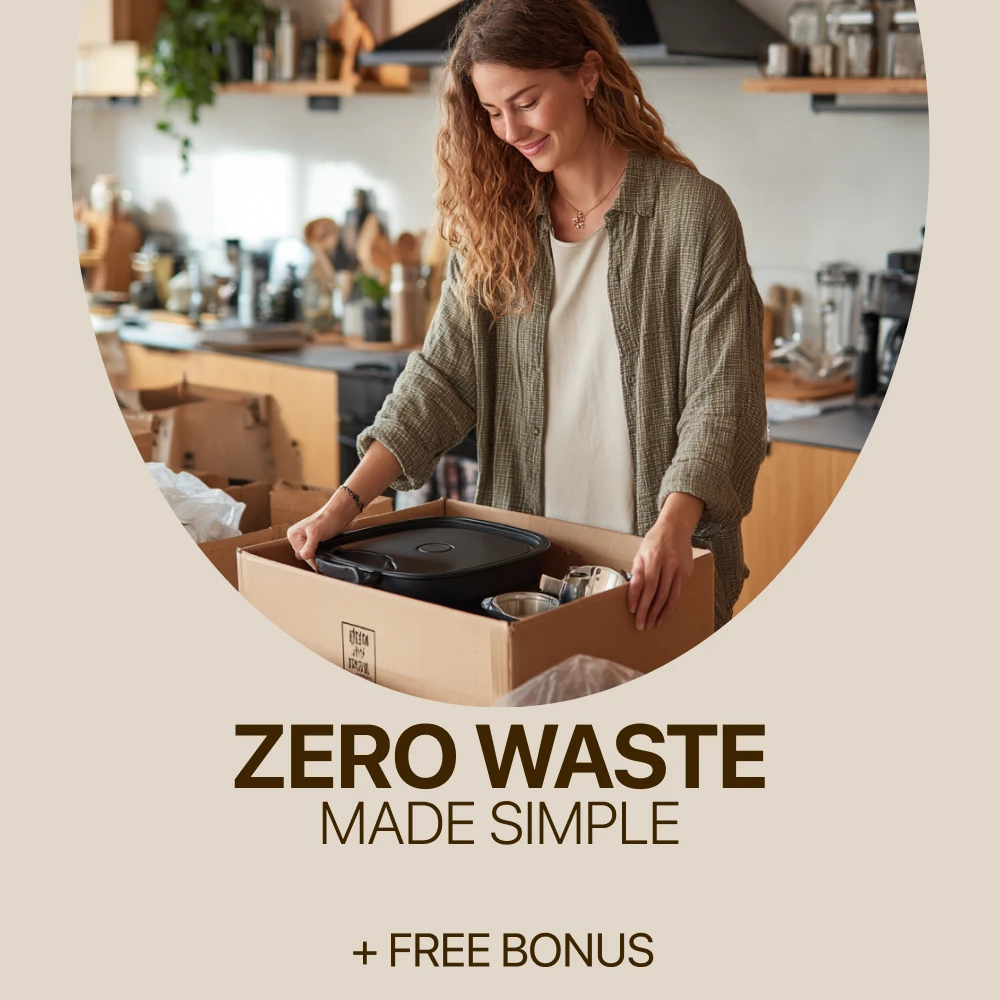
What zero-waste living means
Zero-waste living is an approach to preventing waste and keeping materials in use for as long as practical. It does not mean that every household can avoid producing trash. Instead, it encourages you to consider what comes into your home, how you use it, and where it goes afterward.
A simple order of action can help: refuse what you do not need, reduce what you consume, reuse what you already have, and recycle or compost what remains where local services allow. For example, declining an unnecessary utensil prevents waste before you have to decide how to dispose of it.
Your options may depend on your budget, access to stores and collection services, and household needs. A family managing food allergies or a person relying on delivery may make different choices from someone with a nearby bulk shop. Both can make meaningful progress.

Start with what you already have
Before shopping for reusable alternatives, look around your home. An existing tote can carry groceries, a suitable container can hold leftovers, and an old towel can become a cleaning cloth.
Pick one opportunity from what you noticed in your trash. You might place a bag by the door or plan a meal around ingredients already in your refrigerator.
Featured in this guide
zero-waste-made-simple-beginner-friendly-ebook-guide-to-sustainable-living-zero-waste-basics-for-beginners
Easy swaps for everyday routines
A swap can be a change in routine rather than a purchase. Try these starting points:
- Shopping: Bring a bag you already own and decline extras you will not use.
- Meals: Plan around food on hand. Store leftovers safely and use them promptly.
- Cleaning: Reuse suitable cloths and wash them between uses as needed.
- Storage: Repurpose suitable containers, using food-safe containers for food.
When an item can no longer be reused, follow your local recycling and composting rules. Accepted materials vary by community.
A simple guide for getting started
If you prefer having a dedicated resource alongside your first household changes, explore our Zero-Waste Made Simple beginner-friendly ebook . It is aimed at beginners interested in sustainable living and zero-waste basics.
Our team also offers digital guides for other everyday routines. If you are working on habits with a dog, our Essential Home Training Guide for Dogs is a separate beginner-focused ebook on positive training. Choose a guide for the routine you want to work on rather than adding another purchase simply to pursue a low-waste ideal.
Check the product’s listed specifications when evaluating a simple guide for getting started.
Build a routine that lasts
After a few weeks, ask yourself whether your chosen habit is convenient and affordable. If it adds stress, adjust it. Repeatable changes are more useful than trying to eliminate every piece of waste at once.
Before choosing, compare the product details with your daily routine, available space, care needs, and preferred setup. The strongest option is usually the one that fits the intended use clearly and remains simple to clean, store, and check before repeat use.
It is also worth checking measurements, material notes, included parts, and compatibility details so the item matches the way it will be used after delivery.
FAQ
Who owns zero-waste Store?
We cannot identify the owner without knowing which store you mean. Check the specific store’s official website or business registration for ownership information.
Which companies do not use plastic at all?
We cannot name a company as entirely plastic-free without verified, current evidence. Check claims about products, packaging, and supply chains, since plastic can be difficult to eliminate completely.
What does the term zero-waste mean?
Zero-waste means making choices that prevent materials from becoming trash, with the goal of keeping resources in use rather than sending them to landfills or incinerators. It involves looking at the entire life of a product—from the materials and energy used to make it to how it is reused, repaired, recycled, or composted after you are done with it.
See if zero-waste-made-simple-beginner-friendly-ebook-guide-to-sustainable-living-zero-waste-basics-for-beginners fits your setup