10% off on product page · save $1.55
What Does Zero-Waste Mean? A Practical Guide

What Zero-Waste Means
Zero-waste means making choices that prevent materials from becoming trash, with the goal of keeping resources in use rather than sending them to landfills or incinerators. It involves looking at the entire life of a product—from the materials and energy used to make it to how it is reused, repaired, recycled, or composted after you are done with it.
It Starts With Using Less
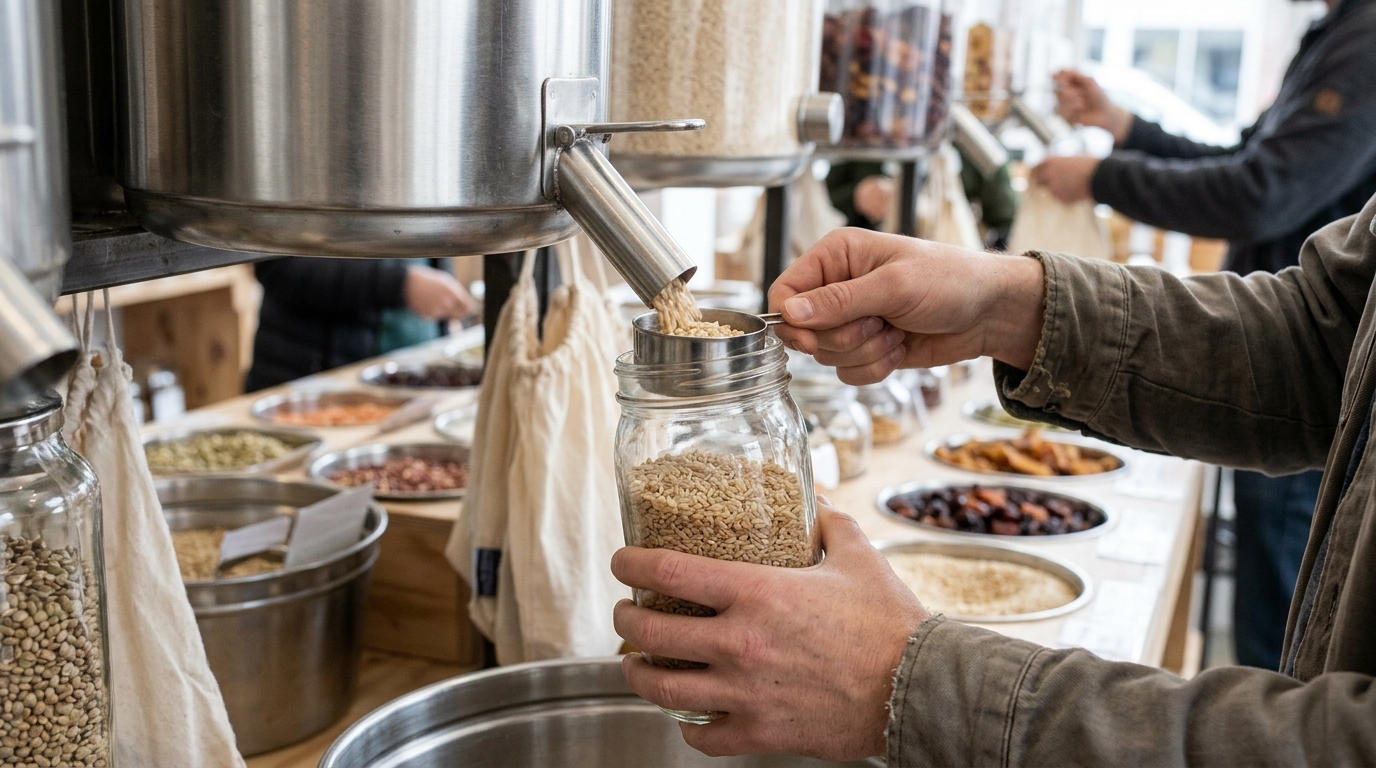
While recycling can play a part, zero-waste begins earlier: you can refuse items you do not need, reduce what you buy, and choose reusable or durable alternatives when they make sense for your household. For example, using the bags, containers, and water bottle you already own can prevent more waste than replacing them with a matching set of new products.
Check the product’s listed specifications when evaluating it starts with using less.
Featured in this guide
zero-waste-made-simple-beginner-friendly-ebook-guide-to-sustainable-living-zero-waste-basics-for-beginners
Zero-Waste in Everyday Life
You can put the idea into practice by planning meals to use the food you buy, repairing a damaged item before replacing it, and donating usable belongings that no longer serve you. When an item cannot be reused, recycling or composting may be an option, but local programs accept different materials, so follow your community’s sorting rules to keep unsuitable items out of the collection.
Progress Matters More Than Perfection
In everyday conversation, zero-waste is often used to describe an effort to create less waste, not a promise that you will produce none; packaging, medical needs, available services, and household circumstances can all affect your options. Our team sees it as a practical direction rather than an all-or-nothing test, so you can start with one habit that fits your life and build from there.
Where to Begin
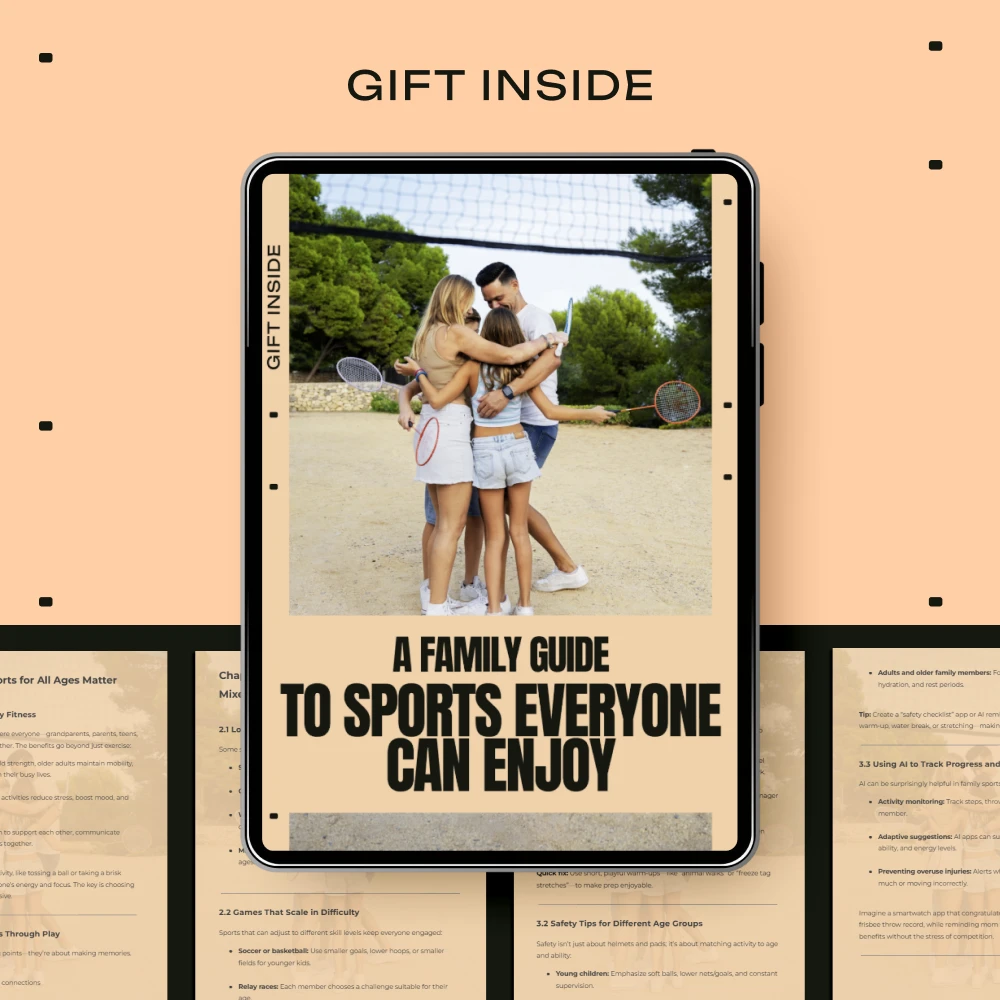
Notice what you throw away most often, then choose one manageable change, such as storing leftovers for another meal or borrowing an infrequently used tool instead of buying it. If you want a beginner-focused introduction, our Zero-Waste Made Simple ebook covers zero-waste basics for sustainable living, and you can also explore our article on what the term zero-waste means.
See if zero-waste-made-simple-beginner-friendly-ebook-guide-to-sustainable-living-zero-waste-basics-for-beginners fits your setup