25% off on product page · save $4.00
Helping Kids Follow Rules With Confidence
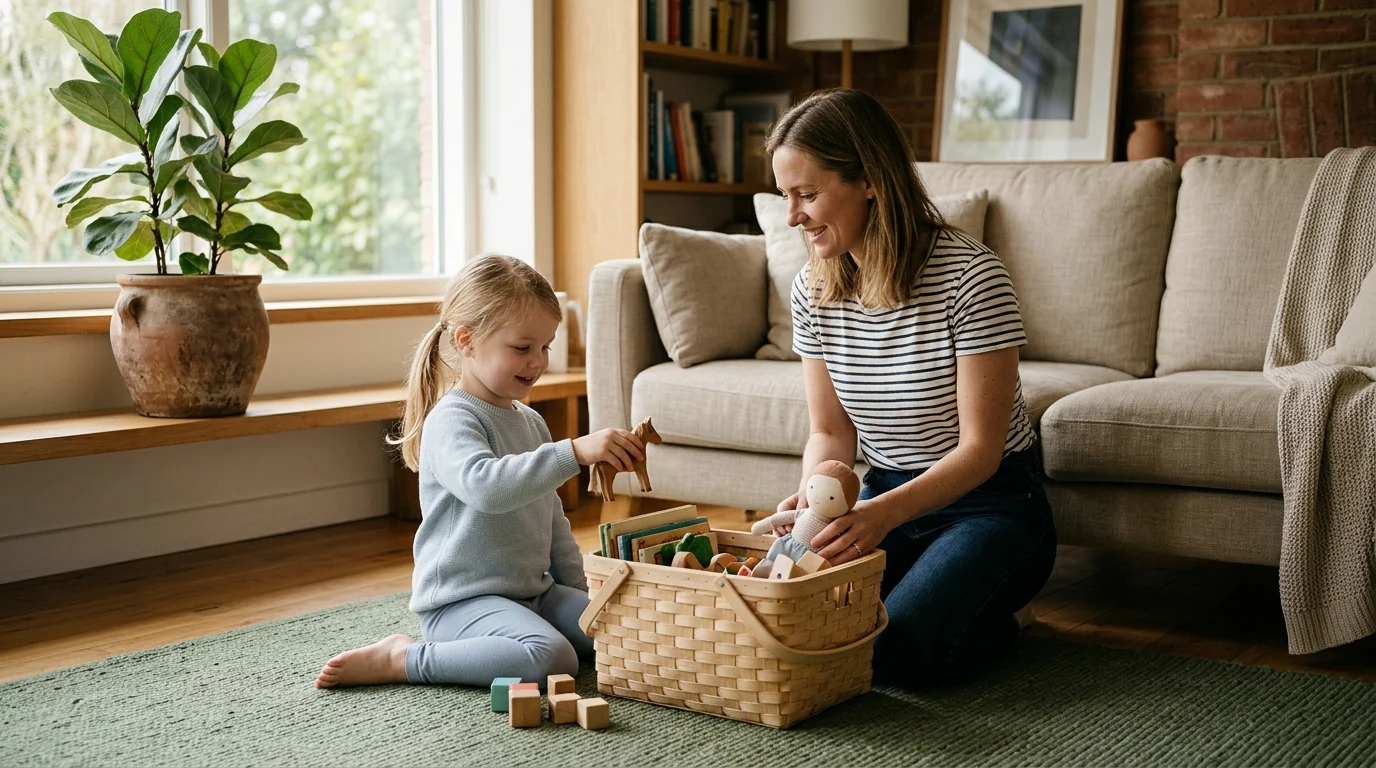
Start With Rules Children Can Understand
A long list of rules can be hard for anyone to remember. Begin with a few priorities, especially those that support safety and respect. State what you want your child to do in language that fits their age and abilities.
For example, “behave at dinner” leaves a lot open to interpretation. “Keep food on your plate” describes an action your child can picture. You might add, “That helps us keep the table clean.” A brief reason gives the rule a purpose without turning the reminder into a lecture.
Invite questions, too. A child who asks why a rule matters may be trying to understand it, not challenge you. Listening also gives you a chance to clear up confusion before it becomes a recurring struggle.

Featured in this guide
helping-kids-follow-the-rules-with-confidence-a-practical-parenting-guide-on-how-to-help-kids-follow-rules-consistently
Make Everyday Expectations Clear
Before giving a direction, move close and get your child’s attention. Say their name, then give one manageable instruction: “Please put your cup on the counter.” Allow a moment for them to process and respond rather than immediately repeating yourself.
Routines can reduce the number of directions you need to give. For instance, a predictable after-school sequence might be putting shoes away, washing hands, and having a snack. Show a younger child what each step looks like, or use a simple reminder where they can see it.
Notice specific effort when it happens: “You put your shoes away when I asked.” That tells your child exactly what went well. The CDC’s guidance on giving directions offers more practical ways to make requests clear and manageable.
Give Directions They Can Follow
Move close, say your child’s name, and give one manageable instruction: “Please put your cup on the counter.” Allow a moment for them to process and respond.
Predictable routines can reduce the number of directions you need to give. Show a younger child each step, and notice specific effort: “You put your shoes away when I asked.”
Check the product’s listed specifications when evaluating give directions they can follow.
Follow Through Calmly
Restate the rule: “Blocks stay on the floor.” Then offer a choice within that boundary: “You can build with them here, or we can put them away for now.” If throwing continues, put the blocks away.
Once everyone has settled, reconnect and practice an alternative: “That was frustrating. Let’s practice what you can do when you feel like throwing.”
Make Room for Independent Judgment
Following family rules should not mean blindly following other people. Offer safe choices, such as whether to put toys or books away first.
Practice saying no to unsafe or unkind suggestions. Remind your child they can leave and ask a trusted adult for help. When a problem keeps coming up, invite them to suggest a solution, such as a backpack hook by the door.
Check the product’s listed specifications when evaluating make room for independent judgment.
Compare related options such as gadget-relationship-self-check-digital-checklist-for-mindful-tech-use-relationships-with-gadgets-self-check to match features, dimensions, and use case before choosing.
Before choosing, compare the product details with your daily routine, available space, care needs, and preferred setup. The strongest option is usually the one that fits the intended use clearly and remains simple to clean, store, and check before repeat use.
FAQ
What is the 3-3-3 rule for children?
There is no single, universally recognized 3-3-3 parenting rule; the phrase can refer to different ideas depending on the source. Ask what a specific version means before deciding whether it fits your family.
How to help kids follow instructions?
Get your child’s attention, give one clear, age-appropriate direction, and allow time for a response. Acknowledge their follow-through specifically.
What is the 7-7-7 rule for parenting?
There is no single, universally established 7-7-7 parenting rule, and explanations vary by source. Focus on approaches that fit your child’s developmental stage and your family’s needs.
How to help a child not be a follower?
Offer safe choices, discuss your family’s values, and practice saying no to unsafe or unkind suggestions. Encourage your child to seek help from a trusted adult when they feel pressured.
See if helping-kids-follow-the-rules-with-confidence-a-practical-parenting-guide-on-how-to-help-kids-follow-rules-consistently fits your setup