10% off on product page · save $1.55
Zero-Waste Lifestyle Examples for Everyday Life
Start With What You Already Own
A zero-waste lifestyle means looking for ways to prevent waste before it is created, rather than relying on recycling alone. You can begin by using the food, toiletries, cleaning supplies, and containers you already have instead of replacing them with new products marketed as sustainable.
For example, turn an empty jar into pantry storage, use an old T-shirt as a cleaning cloth, or carry a bag you already own when shopping. Our approach is to make practical changes that fit your routine; reducing waste does not require throwing away useful items or achieving a perfectly empty trash can.
Make Everyday Shopping Less Wasteful
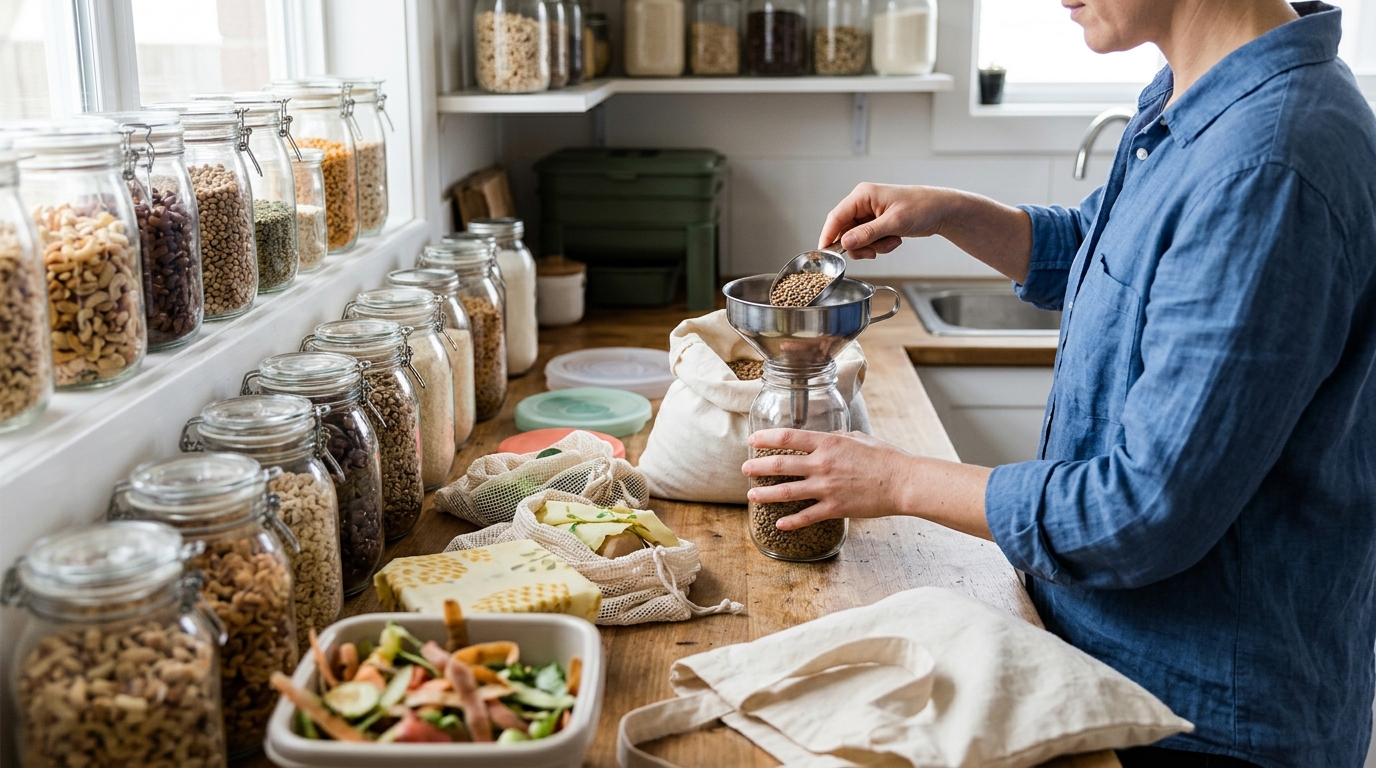
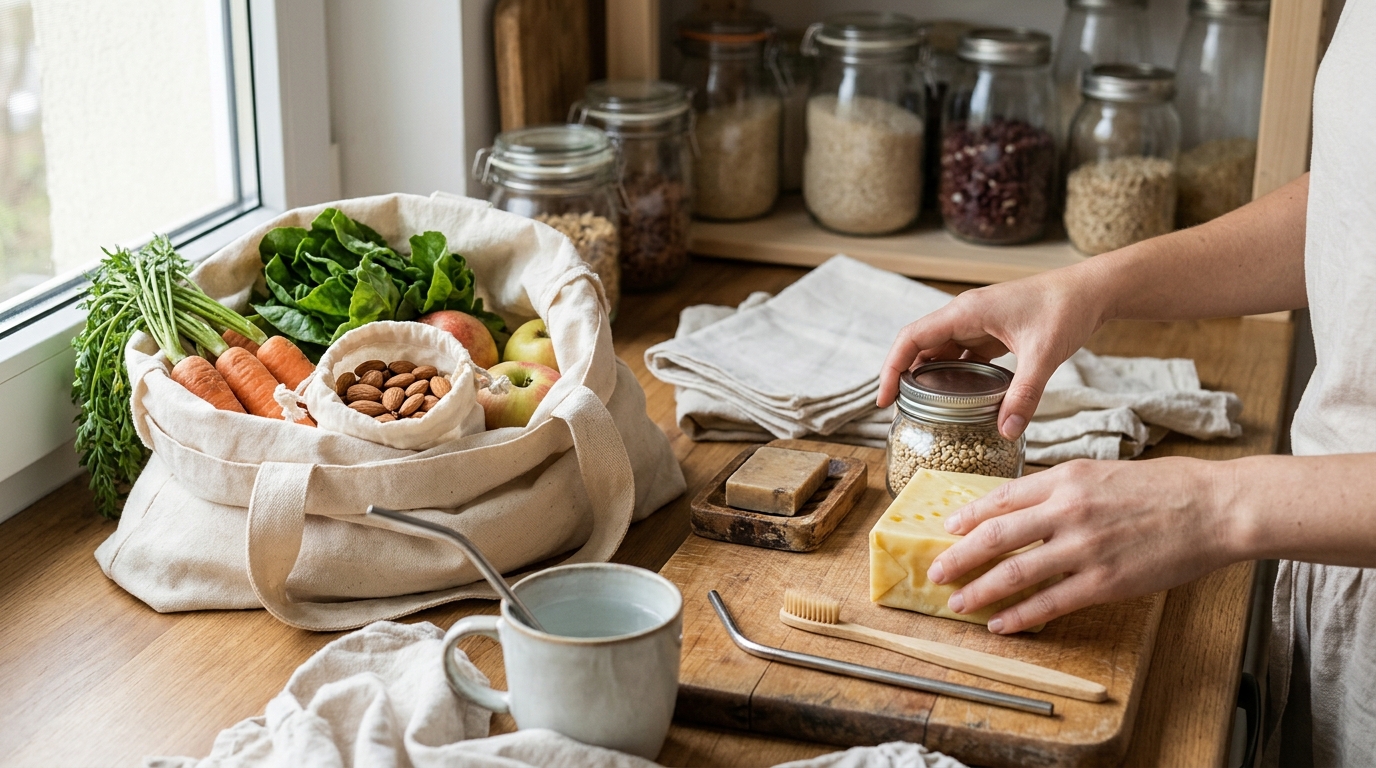
When you shop for groceries, bring reusable bags and choose loose produce when it makes sense for your household. Planning a few meals before you leave home can also help you buy quantities you expect to use, which reduces the chance that food will spoil.
In situations where your local store offers bulk goods, you can consider buying the amount you need and using a suitable reusable container if the store permits it. Comparing packaging is another option: a larger package may create less packaging per serving, but only if you can use its contents before they go bad.
Featured in this guide
zero-waste-made-simple-beginner-friendly-ebook-guide-to-sustainable-living-zero-waste-basics-for-beginners
Reuse, Repair, and Share
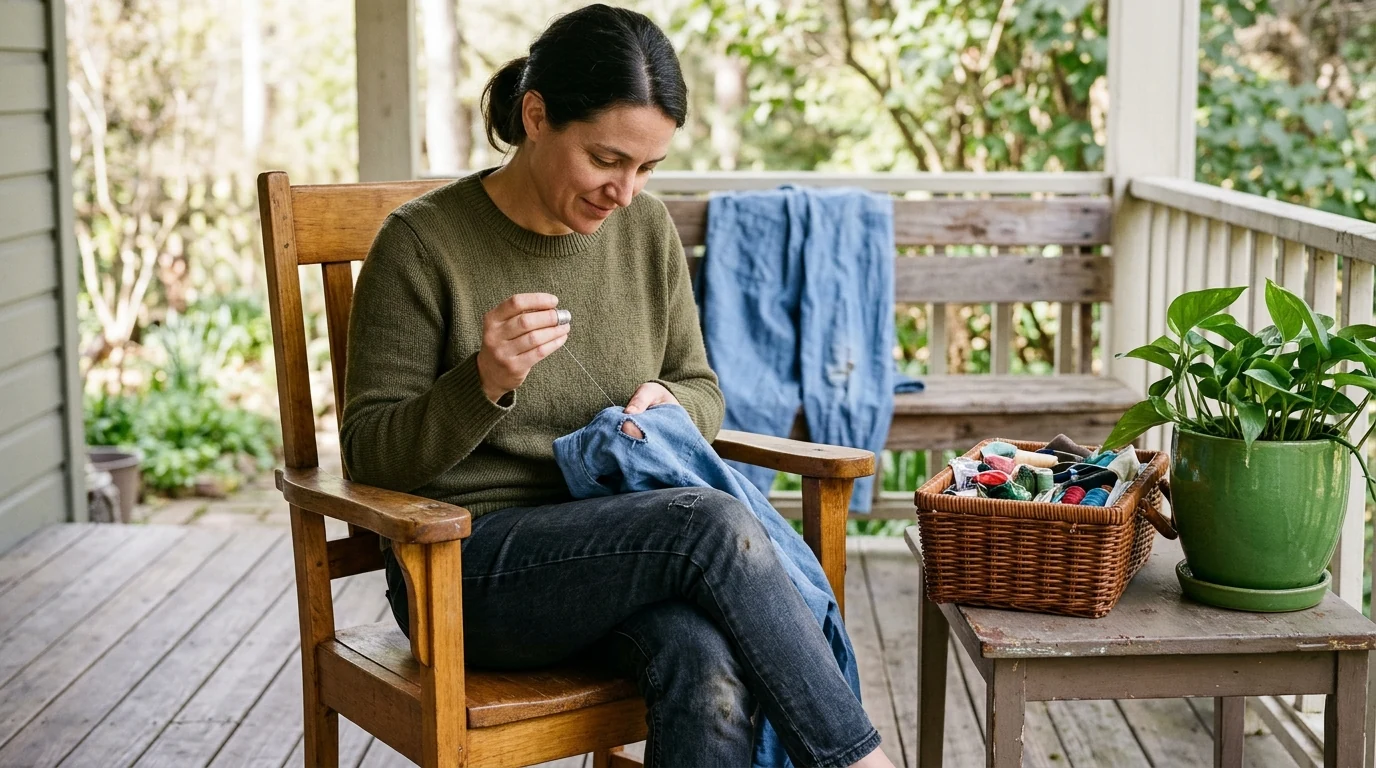
A zero-waste household might mend a torn shirt, repair a loose chair, or borrow a rarely used tool instead of buying a replacement. These habits keep useful materials in circulation and can be especially practical when you need something only for a short project.
You can also donate usable items, shop secondhand, or arrange a swap with neighbors when your needs change. Before passing something along, clean it and make sure it is in usable condition; for damaged items, look for a suitable repair or recycling option rather than assuming a donation center can accept them.
Reduce Food and Daily Disposables
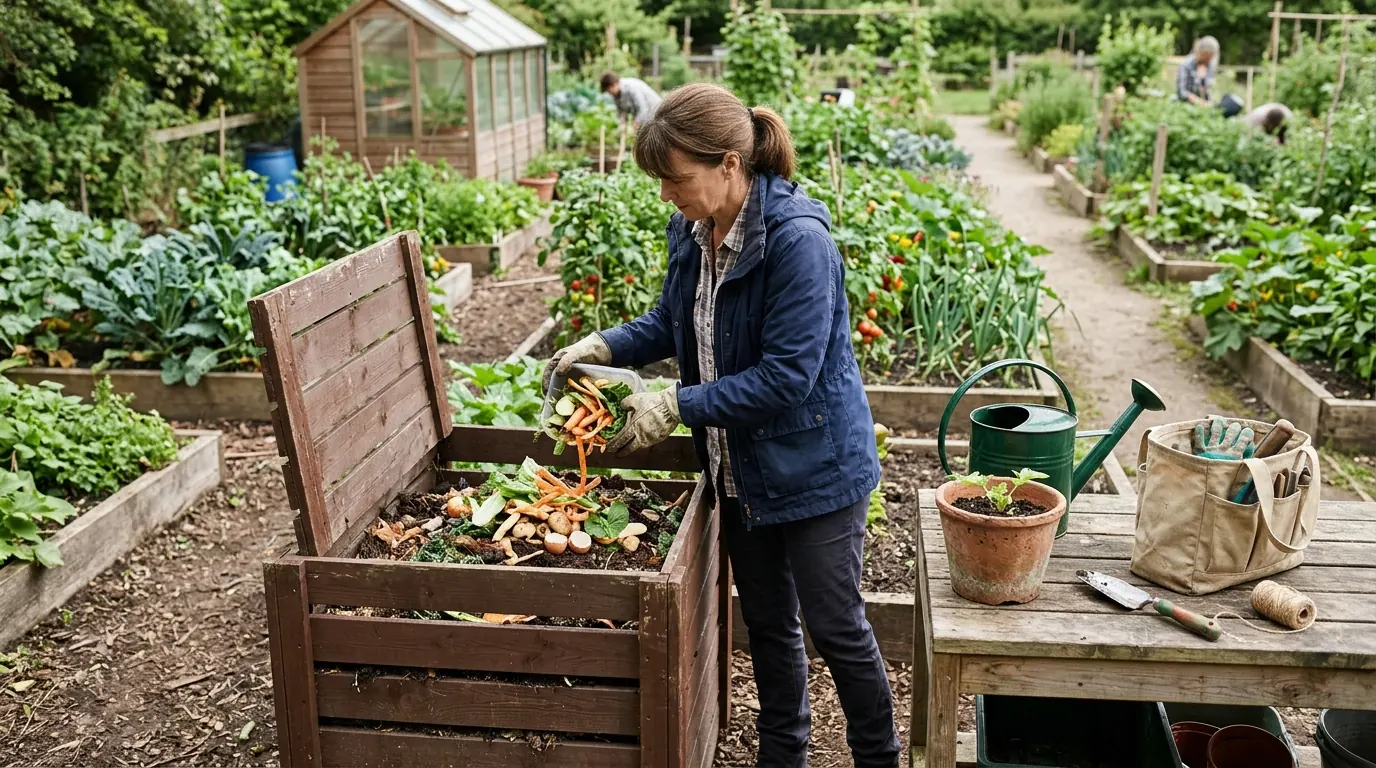
At home, store leftovers promptly in reusable containers and plan a meal that uses ingredients already in your refrigerator. If composting is available to you, collect accepted food scraps separately; follow your local program’s rules because accepted materials vary.
Outside the home, carry a reusable water bottle or cup and decline disposable utensils when you do not need them. Our team recommends choosing a few changes you can maintain, then adding others as they become familiar; our Zero Waste Made Simple beginner-friendly ebook is another resource for exploring zero-waste basics.
Build a Routine That Fits You
Take a look at what you regularly throw away and choose one category to address first, such as food scraps, packaging, or disposable cleaning supplies. A household with limited storage might focus on borrowing and careful shopping, while someone with access to composting may start with food waste.
Keep recycling as part of your routine, but remember that preventing waste and reusing items come first whenever practical. For more ideas, visit our article on examples of a zero-waste lifestyle.
FAQ
Can you give me some examples of zero-waste lifestyles?
Examples include planning meals to prevent food waste, carrying reusable bags and bottles, repairing clothing, and buying secondhand. You can combine these habits in a way that suits your home, budget, and access to local services.
See if zero-waste-made-simple-beginner-friendly-ebook-guide-to-sustainable-living-zero-waste-basics-for-beginners fits your setup